Manhattan Mattress Guide
How to Evaluate Vispring Mattress Materials, Comfort, and Fit
A mattress decision is part materials, part feel, and part real-life logistics. Vispring models may differ in their natural fillings, spring systems, and available tensions, so a close look at specifications can help you narrow the field. In a Manhattan apartment, the final test is practical, too: will the mattress suit your sleep preferences, fit your bed, and make it through the building?
Start with the mattress you are actually considering
“Vispring mattress” describes a maker, not one uniform design. Models can use different combinations of natural fibres, spring constructions, and upholstery, and their overall feel depends on how those elements work together. That makes a model-by-model comparison more useful than relying on a brand name or a broad label such as “luxury,” “natural,” or “supportive.”
Begin with the exact model name and its current specification sheet. Note the filling materials, spring construction, available spring tensions, mattress depth, size options, and care guidance. If a description includes several figures or terms that seem inconsistent, ask the retailer to confirm the details for the exact size and version you are considering. Specifications can change, and a product page may combine information about a mattress and its matching divan.
It can help to keep a short comparison note on your phone. Record what you know, what you still need to confirm, and what you felt when testing the mattress. That simple habit makes it easier to compare options after a showroom visit, when the finer details of one bed can blur into another.
Read the materials list as a comfort clue
Natural fillings are not just decorative names on a label. Fibres such as wool, cotton, silk, cashmere, alpaca, bamboo, and horsetail can contribute different qualities to the upholstery layers. Their effect depends on the quantity, arrangement, and construction of the finished mattress—not simply on whether a material appears in the list.
For example, a mattress may use finer, softer fibres near the sleep surface, with other materials layered below to provide resilience or a more stable feel. Wool and cotton can add substance to the upholstery, while silk or bamboo may be included in layers intended to manage moisture. Horsetail is often associated with spring and resilience. These are useful starting points for questions, not guarantees that every sleeper will experience the same temperature or comfort.
Ask the retailer to explain where each filling sits and what role it plays. Is the fibre directly beneath the ticking, deeper in the upholstery, or arranged on both sides of the spring unit? Does the construction have hand-tufting to help hold the layers in place? Is the mattress intended to be turned, rotated, or maintained in another way? The answers can make a long materials list much easier to understand.
If natural materials matter to you for sourcing, sensitivity, or personal preference, look for specific, verifiable information. Ask what a claim such as “natural” means for the complete mattress, whether it applies to every component, and what documentation is available. Material preference is personal, and it is sensible to distinguish a confirmed specification from a general marketing description.
Understand the spring system and its terminology
Vispring mattresses are associated with pocket-spring construction, but spring count alone is not a reliable shortcut to comfort. Pocket springs can respond independently, while the overall sensation also depends on spring tension, the arrangement of the unit, the upholstery above it, and the way the border is finished. Two mattresses with similar headline figures can feel quite different.
When comparing a spring system, ask how many spring layers it uses, whether the springs are nested or arranged in another configuration, and what tension choices are available. If a specification gives a spring count, check which size it refers to. A count for a king-size mattress should not be compared directly with a count for a smaller size without accounting for the difference in surface area.
It is also worth asking how the edge is constructed. Reinforcement or side-stitching may influence how supported the perimeter feels, especially if you sit near the edge to get dressed or use most of the mattress surface. These details are not a substitute for trying the bed, but they can help explain what you notice during a test.
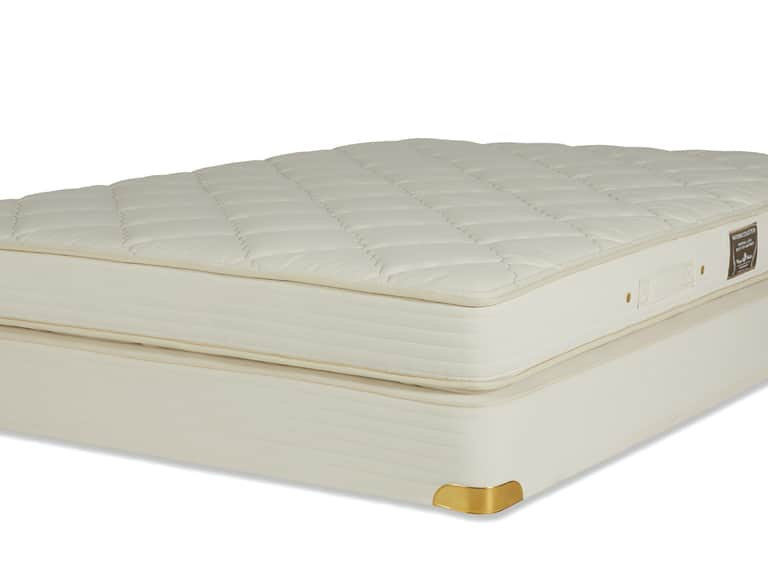
One example in the Vispring range is the Vispring Opulence Mattress, described with natural-fibre upholstery and a multi-layer pocket-spring construction. Its stated materials include cashmere, alpaca, bamboo, mulberry silk, wool, cotton, and horsetail. Use those details as a prompt for questions about the current model specification, the available spring tensions, and how the layered construction feels in person—not as a promise that every sleeper will find it comfortable.
Match comfort to your sleeping habits
Firmness is personal, and a label by itself cannot tell you whether a mattress will suit your body. “Medium” is not a universal measurement shared across every maker. Your weight distribution, preferred sleep position, mobility, temperature preferences, and existing aches or pressure points all affect what feels comfortable.
Think about how you sleep on an ordinary night rather than how you imagine you should sleep. Side sleepers often pay close attention to pressure around the shoulders and hips. Back sleepers may focus on whether the lower back feels supported without an uncomfortable gap or a sinking sensation. Stomach sleepers commonly prefer a surface that does not let the hips settle too deeply. These are useful observations, not rigid rules: individual bodies and preferences vary.
If you share a bed, consider both sleepers. One person may prefer a more yielding surface while the other likes a firmer response. Ask whether the model or size is available with different tensions on each side, and clarify how that construction affects the centre of the bed. Do not assume that every model offers split comfort options.
When testing a mattress, lie down in your normal sleep position for several minutes. Use your usual pillow if possible, and notice whether you can relax without continually adjusting. Pay attention to how easily you change position, whether you feel pressure building, and whether your partner’s movements are noticeable. A quick sit on the edge can reveal little about what a full night’s rest might feel like.
If you are comparing beds in a showroom, test them in a consistent order and jot down a few words immediately afterward: “soft at shoulder,” “easy to turn,” or “too firm at hip.” The goal is not to make a technical scorecard out of bedtime. It is to preserve your first impressions long enough to make a calm, considered decision.
Look beyond the showroom impression
A mattress may feel different at home than it did during a brief test. Your bed base, protector, sheets, and pillow can all influence the surface you experience. Before deciding, confirm the foundation or platform requirements for the specific mattress. Check whether slats need a particular spacing, whether an adjustable base is suitable, and whether a divan is optional or part of a recommended set.
Ask about the care routine before purchase. Some mattresses need periodic rotation; others may have specific instructions about turning or positioning. Natural upholstery is not automatically washable, and the mattress cover may not be removable. A mattress protector can help reduce everyday wear, but it may also change the surface feel, so include it in your thinking if you plan to use one.
Clarify what is covered by the warranty and what is considered normal settling. Ask how to report a concern, whether the mattress must be used with a specified base, and what conditions could affect coverage. Keep the paperwork and delivery records together. Understanding those terms in advance is more reassuring than trying to interpret them after a problem appears.
Measure the room, frame, and delivery route
In Manhattan, choosing the right mattress size is only one part of getting it home. A bed can fit the bedroom on paper and still present a challenge at the apartment door, in a narrow hallway, at a stairwell turn, or inside an elevator. Measure the full route before scheduling delivery, not just the space beside the bed.
Start with the bed frame or foundation. Confirm its interior dimensions and the mattress size it is designed to hold. Standard size names can be convenient, but check the exact measurements listed for both mattress and frame. Also measure bedroom width and length, accounting for nightstands, closets, doors, radiators, and the space you need to walk around the bed.
Then trace the delivery path from the building entrance to the apartment. Measure the clear width and height of the entry door, apartment door, hallway pinch points, stairwell landings, and elevator doors. Include turns and low ceilings. If a mattress is especially deep or has a substantial border, consider its full dimensions while being moved—not only the footprint it will occupy once installed.
Contact your building or property manager before you book. Ask about delivery hours, elevator reservations, protective coverings, insurance documents, loading areas, and whether staff need advance notice. Rules differ from building to building, so a neighbor’s experience may not answer every question. If an elevator is involved, confirm the interior dimensions rather than relying on the outside measurements of its doors.
Also ask the retailer or delivery team how the mattress will arrive and what services are included. Confirm whether delivery reaches the bedroom, whether setup is available, whether packaging removal is included, and what happens if the mattress cannot pass through the route. Get any additional charges or access conditions in writing. A clear plan is especially valuable when delivery windows are narrow and building access is tightly scheduled.
A practical Vispring comparison checklist
Before you make a decision, gather the answers to these questions for each model:
- What is the exact model name and current specification?
- Which materials are used, and where are they positioned in the mattress?
- What kind of spring construction does it have, and which tensions are available?
- Is the mattress offered in a split-tension configuration for two sleepers?
- How does the surface feel in your usual sleep position?
- What base is suitable, and are there specific support requirements?
- What are the exact mattress dimensions and finished depth?
- What are the care, rotation, and cleaning instructions?
- What do the warranty terms cover, and what exclusions apply?
- Can the delivery team access your apartment, and what services or fees apply?
Keep the checklist focused on your own priorities. If temperature is a concern, ask how the upholstery and bedding layers work together, then consider the conditions of your bedroom. If you share the bed, give both sleepers time to test it. If the route into your apartment is complicated, resolve delivery questions before you become attached to a particular size or model.
Make the final choice with both comfort and practicality in view
Evaluating Vispring mattresses is less about finding a perfect-sounding materials list and more about understanding the complete package. Materials give you clues about upholstery and potential feel. Spring construction and tension help explain support and responsiveness. Your own sleep habits determine whether the mattress feels comfortable, while the room, frame, and delivery route determine whether it works in your home.
Take your time, compare exact specifications, and ask direct questions whenever a detail is unclear. A mattress should suit the person sleeping on it—and the apartment it has to reach. With comfort and fit considered together, you can make a more informed choice without letting elegant product language or a complicated delivery day do the deciding for you.