A Practical Guide to Choosing Organic Mattresses in Manhattan
When you’re navigating the bustle of Manhattan, sleep can feel like a luxury you can’t afford to compromise. Yet in a city built on speed and space, finding an organic mattress that aligns with your health goals, apartment size, and delivery realities is absolutely possible. This guide translates the science of organic materials into city-friendly wisdom—from certifications to compact-sizing, from showroom realities to move-in day logistics. Think of it as a friend who’s done the homework, helping you select a healthy sleep surface without sacrificing practicality.
1) Understanding organic materials and certifications
Organic mattresses aren’t just a marketing phrase—they reflect a commitment to materials that minimize chemical exposure, support sustainable farming, and promote healthier sleep environments. In Manhattan, where many people live in compact apartments, the touchpoints you care about most are comfort, durability, and air quality. At the core of most organic mattresses are layers of latex, natural fibers, and wool, each selected for a combination of comfort and purity.
The most commonly cited certifications help you verify what you’re buying. Global Organic Textiles Standard (GOTS) governs organic textiles, ensuring fibers and dyes meet strict environmental and social criteria. Global Organic Latex Standard (GOLS) focuses on the organic latex components, from tree to product, to ensure latex is produced via organic farming practices and processed without harmful additives. OEKO-TEX certifications provide additional assurance about the absence of certain harmful substances in materials and finished products. When you see these marks, it’s not just a label—it’s a trail of integrity across the supply chain.
A practical takeaway for Manhattan shoppers: prioritize mattresses that clearly disclose GOTS or GOLS certifications for the core materials (latex, cotton, wool) and any fabric coverings, and look for third-party certifications on safety and chemical exposure. Certifications aren’t a single line of defense; they’re a map that helps you understand a brand’s sourcing and manufacturing standards.
2) NYC apartment sizing and practical fit
Manhattan living often means tight bedrooms, elevators with weight limits, and narrow doorways. A mattress that’s perfect in a showroom might become a logistics puzzle when you’re moving it into a second-floor walk-up or a compact studio. Here are city-smart considerations to keep in mind.
- Measure the doorway, hallway, and elevator dimensions before you buy or order. A mattress that is 80 inches long may struggle in a narrow Manhattan hallway if the door frame is tight or the elevator isn’t readily accessible.
- Consider standard thickness versus storage: organic latex mattresses often come in 8–12 inches thick. If your apartment features low headboard spaces or floored storage, a thinner profile can make a big difference in room aesthetics and air circulation.
- Think about foundation compatibility. Some organic mattresses are designed to work with adjustable bases or specific foundations. In New York, where space may be at a premium, choosing a foundation that fits through doorways and fits inside a closet matters more than you might expect.
- Air quality and temperature regulation: natural fibers like wool offer moisture-wicking and breathable properties, which can help in humid summers and dry winters—a frequent concern in NYC apartments with varied ventilation.
When you pace a room with a tape measure and a notebook, you’re not just shopping—you’re planning. The right organic mattress isn’t a luxury; it’s a sustainable, health-forward choice that respects the city’s space constraints while supporting your nightly rest.
3) A spotlight on Savvy Rest Serenity and similar organic options
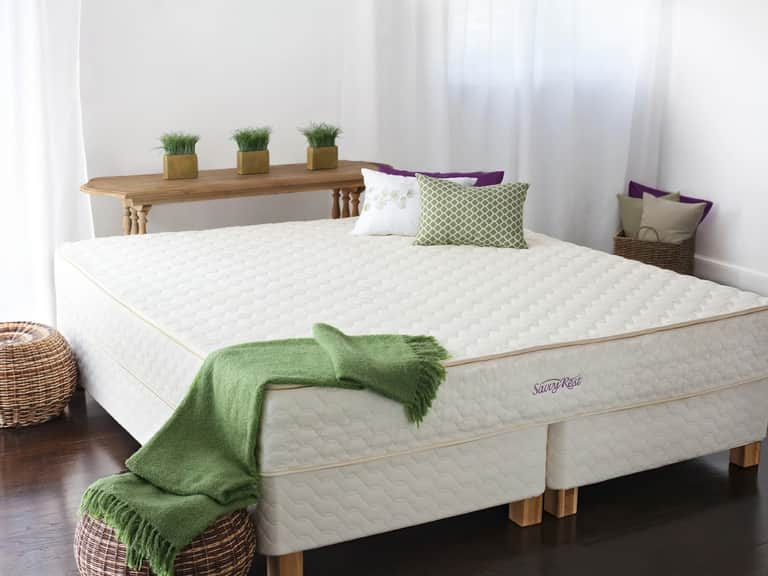
If you’re exploring organic latex mattresses, the Savvy Rest Serenity is a well-known option that embodies the customizable spirit many organic brands offer. The Serenity lets you tailor the layering of soft, medium, and firm Dunlop or Talalay latex in a breathable organic cotton casing, with organic wool batting for a natural flame barrier. While this article focuses on guidance rather than promotions, it’s useful to know what you’re looking for when brands describe similar architectures: modular layers, certifications, and a commitment to American craftsmanship.
In Manhattan’s market, many organic mattresses emphasize similar attributes—certified latex cores, organic cotton casings, wool or other natural flame barriers, and the option to customize firmness across different sections of the bed. The practical upshot for city dwellers is straightforward: you want a sleep surface that adapts to your body, remains comfortable across seasons, and ships or delivers with minimal disruption to your move or apartment routine.
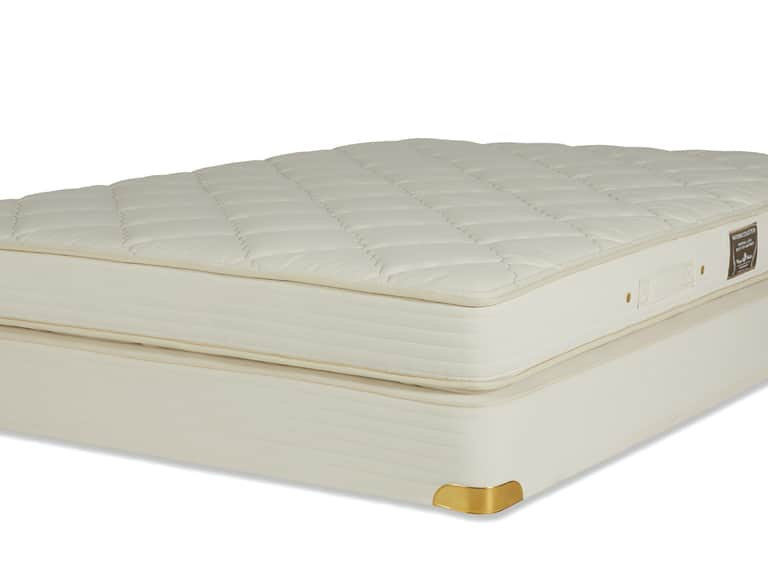
An example of a high-quality approach in this space is a product that combines a certified organic latex core with a wool layer and a durable organic cotton cover, offering the balance of contouring support and temperature regulation that many sleepers in Manhattan come to value. When evaluating, pay attention to:
- Layer configuration options and how they translate to firmness on each side (important for couples with different preferences).
- The origin and certifications of the latex and wool, ensuring an organic supply chain and non-toxic processing.
- Care requirements and warranty details that reflect long-term use in an urban environment.
4) NYC-specific delivery logistics and setup tips
Delivery in Manhattan is more than a date on the calendar—it’s a choreography. Organizing a move or a mattress delivery around building policies, elevator reservations, and building code approvals means you’ll want a plan that minimizes stress and protects your sleep schedule.
- Coordinate with your building manager: confirm elevator access hours, quiet times, and any required protection for walls and floors during the move.
- Prepare the space: clear a path from the entry to the bedroom, remove obstacles, and measure doorways. Having a clear route helps delivery professionals move the mattress efficiently and safely.
- Ask about packaging, setup, and debris removal: some vendors offer white-glove delivery that includes unpacking, setup, and removal of packaging. If you’re in a rental, this can simplify post-move cleaning and reduce wear on your space.
- Plan for temporary storage if needed: in many Manhattan leases, you might need to align delivery with a move-in window or an interim storage solution. Even a few days can make a difference in your comfort during a move.
Because organic mattresses can be a sizeable purchase, confirm return policies or exchange windows. The goal is a smooth transition that preserves your sleep quality during a potentially chaotic move.
5) Care, durability, and long-term value
Organic materials aren’t just about initial purity—they’re about longevity. Wool, organic cotton, and natural latex often wear in differently from synthetic foams, requiring thoughtful care to maintain performance over a decade or more.
For latex-centric organic mattresses, key care steps include keeping the surface clean, avoiding sharp objects that could puncture the latex, and following manufacturer guidance for rotation or flipping if applicable. Wool components naturally regulate moisture, which can contribute to a drier sleep environment, but they also require attention to any manufacturer-recommended cleaning protocols to preserve loft.
In practice, long-term value comes from:
- Durable, high-quality latex cores that resist sagging with proper support.
- Organic cotton covers that withstand regular use and breath well.
- Proper foundations or bases that distribute weight evenly and reduce wear.
When evaluating a mattress’s total cost of ownership, think beyond the sticker price. Factor in potential warranty terms, the availability of layer exchanges or customization, and how well the materials hold up to city-life demands—like frequent hot-water usage, compact bedrooms that require stable sleeping surfaces, and seasonal shifts that influence humidity and warmth.
6) Local realities: NYC case studies and practical takeaways
Manhattan’s bedroom layouts vary dramatically—from corner studios to generous prewar spaces. A practical approach is to treat organic mattress shopping as a two-step process: establish your space constraints and clarify material priorities.
Case in point: a renter in a compact studio might prioritize a thinner profile (8–10 inches) with excellent air circulation and a foundation that can be moved easily through a narrow doorway. This allows the sleeper to maintain a comfortable sleep surface without sacrificing room for a small dresser or a nightstand. In a larger Manhattan apartment, you might have more flexibility to choose a taller, fully-featured organic latex bed with a layered configuration that perfectly matches your firmness preference.
Practically, the best strategy is to:
- Identify your preferred sleep position and firmness range to guide latex layering choices.
- Prioritize certifications for materials to ensure you’re choosing truly organic sources.
- Discuss delivery routes and set-up capabilities with your retailer to avoid last-minute hurdles.
7) Notable product example in the market
Among the organic options that align with the guide’s principles, Savvy Rest Serenity stands out for its modular approach to latex layering, allowing you to tune softness, medium, and firmness across different sides of the bed. While I’m focusing on guiding principles rather than endorsing any single brand, understanding the core design can help you compare products effectively.
If you’re considering an organic latex mattress with a robust certification story and a customizable build, you’ll want to ask retailers the same questions: what certification marks do you hold for latex and wool? how do you handle layer-exchanges or adjustments post-purchase? what are the exact measurements and weight distribution across the bed? and how does the foundation interact with movement, noise, and temperature regulation?
8) Quick, city-friendly buying checklist
- Certification clarity: Look for GOTS, GOLS, and OEKO-TEX marks on materials and finishes.
- Material transparency: Confirm the latex type (Dunlop vs. Talalay) and wool or cotton sourcing details.
- Size and thickness: Match mattress height to elevator and doorway constraints.
- Foundation compatibility: Verify what kind of base is recommended or required.
- Delivery window planning: Align with building policies and move-in dates to minimize disruption.
- Care and warranty: Understand maintenance needs and the warranty's scope and duration.
About this article and how to use it
This guide is designed for Manhattan residents and urban visitors who care about sleep health and rational shopping. It’s written in a conversational, editorial style inspired by People magazine—clear, upbeat, and practical, with real-world context tailored to the city’s unique rhythm. It emphasizes factual information about organic materials and certifications, plus city-focused considerations like space, delivery, and storage during moves.
For readers who want to dive deeper into organic sleep systems, consider exploring products that clearly disclose material sources and certifications, and consult with retailers about customization options and delivery logistics in Manhattan. If you’re comparing brands, keep a simple comparison sheet: material certifications, thickness, layering options, foundation requirements, and the retailer’s delivery policies.
This article does not promote any particular retailer. Instead, it provides a framework to empower you to choose a healthy, space-appropriate, and city-smart organic mattress that supports your well-being in the heart of Manhattan.
Product note
The following product is showcased as part of the site’s catalog, but you should verify current availability, pricing, and specifications directly with the retailer:
-
Savvy Rest Serenity Latex Mattress — 10 inch: A customizable latex mattress featuring organic wool and cotton coverings, with Dunlop or Talalay latex layers. Link for reference: Savvy Rest Serenity Latex Mattress.
If you’re exploring other organic options in a Manhattan context, inquire about products with strong certification narratives and practical, city-friendly designs. The goal is a sleep surface that’s authentic in materials, honest in labeling, and adaptable to the city’s living realities.
Published date: September 30, 2026