Foam mattresses are distinguished by their core materials, layering, and targeted support profiles, which collectively influence comfort, pressure relief, and durability. In this category, foam blends may incorporate memory foam, polyurethane, or plant-based foams designed to balance contouring with support. Understanding density, ILD, and zoning helps identify suitability for different sleeping positions and weight ranges.
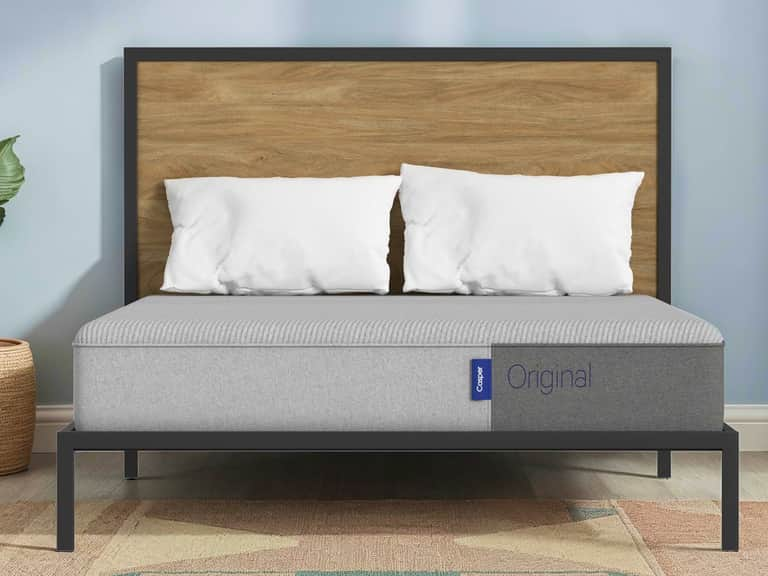
The Original Mattress exemplifies a balanced foam solution with multi-layer construction that emphasizes conforming comfort and spinal alignment. Key features often include a soft to medium surface feel, breathable coverage, and consistent responsiveness, making it suitable for individuals seeking pressure relief without excessive sink-in.
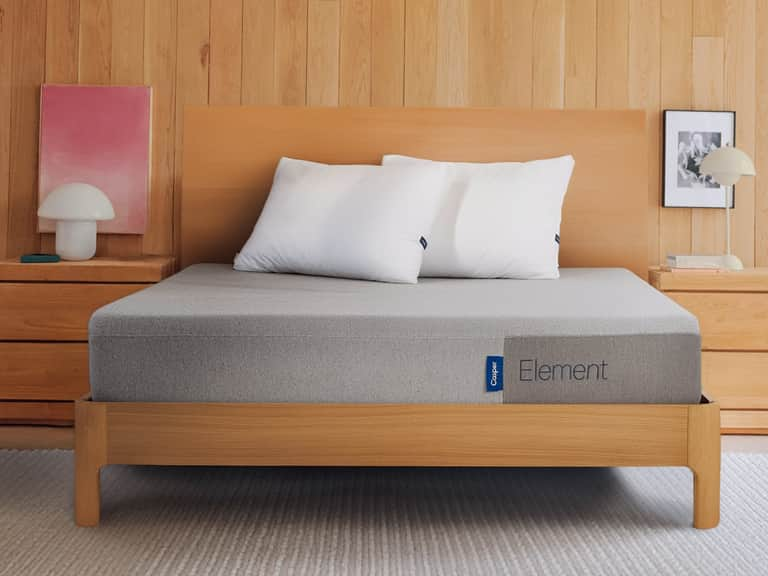
The Element Mattress offers a distinct approach to foam technology by combining supportive polyfoam with memory foam transition layers. Functional benefits include enhanced contouring for shoulder and hip comfort, improved motion isolation, and a stable sleeping surface that adapts to varying body shapes and sleep styles.
When evaluating foam mattresses, consider materials such as plant-based or natural latex foams for durability and temperature regulation, as well as open-cell designs that promote airflow. Proper zoning and layer sequencing can address common concerns like hotspots, motion transfer, and edge support for a well-rounded night’s rest.
Overall, foam mattresses in this category aim to deliver reliable comfort, durable performance, and adaptable support. By examining product features, such as density, layering, and the intended sleeper profile, readers can determine how Original and Element mattresses align with individual preferences for firmness, buoyancy, and long-term satisfaction.
 Mattresses